
By Sumaila Ogbaje
The Alumni Association of the National Institute (AANI) has called for a decentralised, intelligence-driven and community-based policing system as a sustainable solution to Nigeria’s growing insecurity.
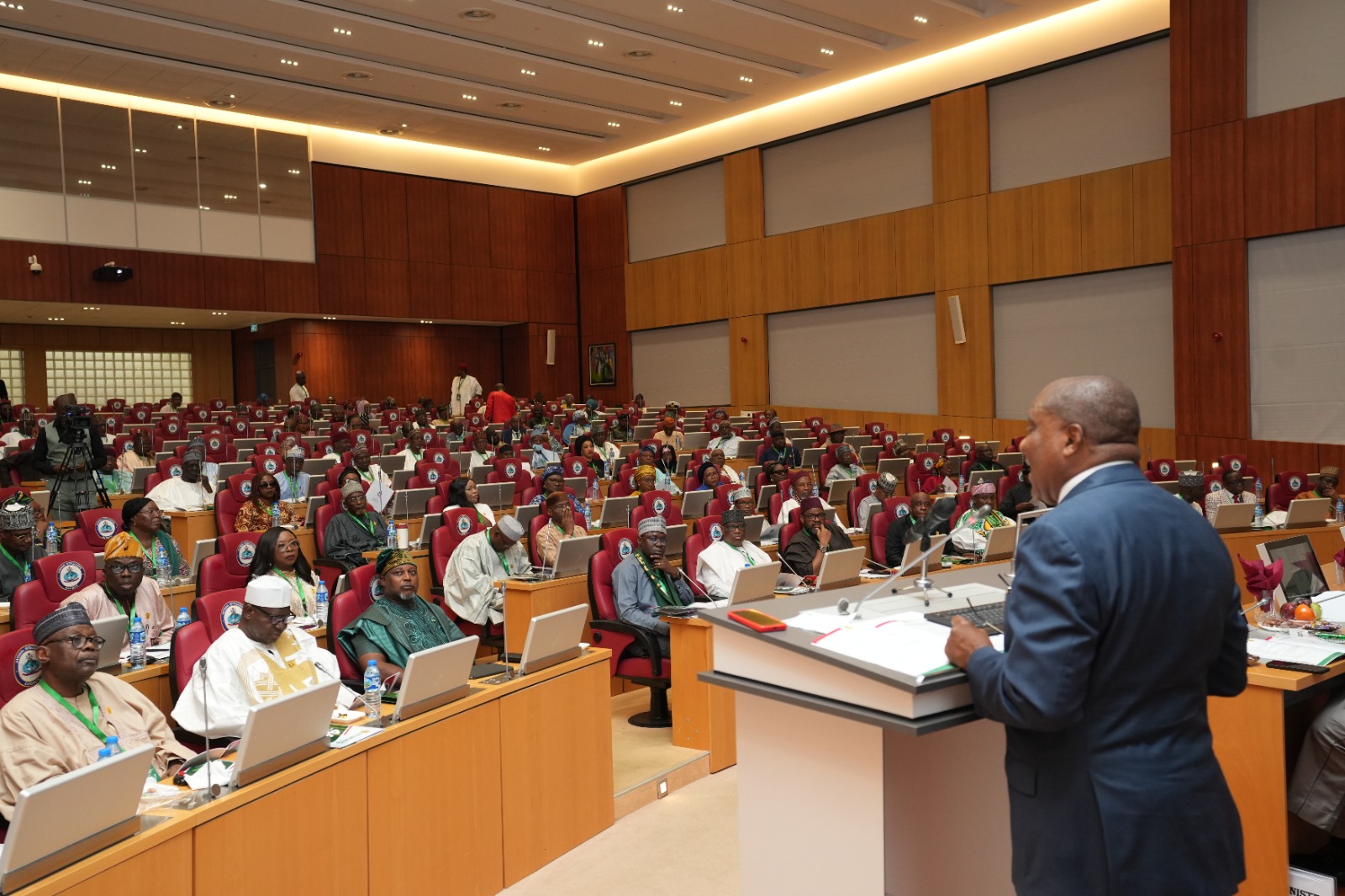
The association made the call at its 46th Annual General Meeting (AGM) and National Colloquium held on Saturday at the Muhammadu Buhari Conference Centre Abuja.
This is contained in a statement issued by the National Publicity Secretary of AANI, Ifeanyi Ngama, on Sunday in Abuja.

The colloquium, themed “State Police and Community Policing: Challenges, Options and Opportunities,” brought together security experts, government officials, and other stakeholders to deliberate on Nigeria’s security challenges.
In his remarks, the President of AANI, Amb. Emmanuel Okafor, said the current centralised policing system had shown limitations in addressing rising cases of banditry, terrorism, kidnapping, and organised crime.
Okafor stressed the need for bold and practical reforms anchored on decentralisation and intelligence-led policing.
Also speaking, the keynote speaker, Prof. Femi Mimiko, said Nigeria’s single-layer policing structure was overstretched and inconsistent with federal principles.
Mimiko noted that manpower shortages, intelligence gaps, and over-centralisation had weakened policing effectiveness, making reforms inevitable.
He added that a properly structured state policing system, backed by strong institutional safeguards, could enhance responsiveness, accountability, and public trust.
A retired DIG of Police, Adeleye Oyebade, proposed a hybrid policing model combining state policing with strengthened community policing, while retaining the Nigeria Police Force as a coordinating authority.
Oyebade delivered a paper titled, “State Police and Community Policing: challenges, options and opportunities”.
He explained that Nigeria’s current policing challenges stem from structural and operational weaknesses, including inadequate manpower, poor funding, weak logistics, and slow decision-making caused by excessive centralisation.
He noted that these gaps have limited the ability of the Nigeria Police Force to effectively respond to evolving threats such as banditry, terrorism, and organised crime, while also contributing to a trust deficit between the police and local communities.
Similarly, Abdulrahman Idris, emphasised the need for a holistic approach to security, including community engagement and addressing socio-economic challenges.
The association noted that effective policing requires strong community trust, improved intelligence gathering, and a multi-layered security framework.
AANI also said it would harmonise the outcomes of the colloquium into policy recommendations for relevant authorities as part of efforts to strengthen Nigeria’s security architecture. (NAN)