
By Aderogba George, News Agency of Nigeria, Abuja.
The Presidency has called for the integration of artificial intelligence (AI) and digital technologies into nursing practice to transform Nigeria’s healthcare system.
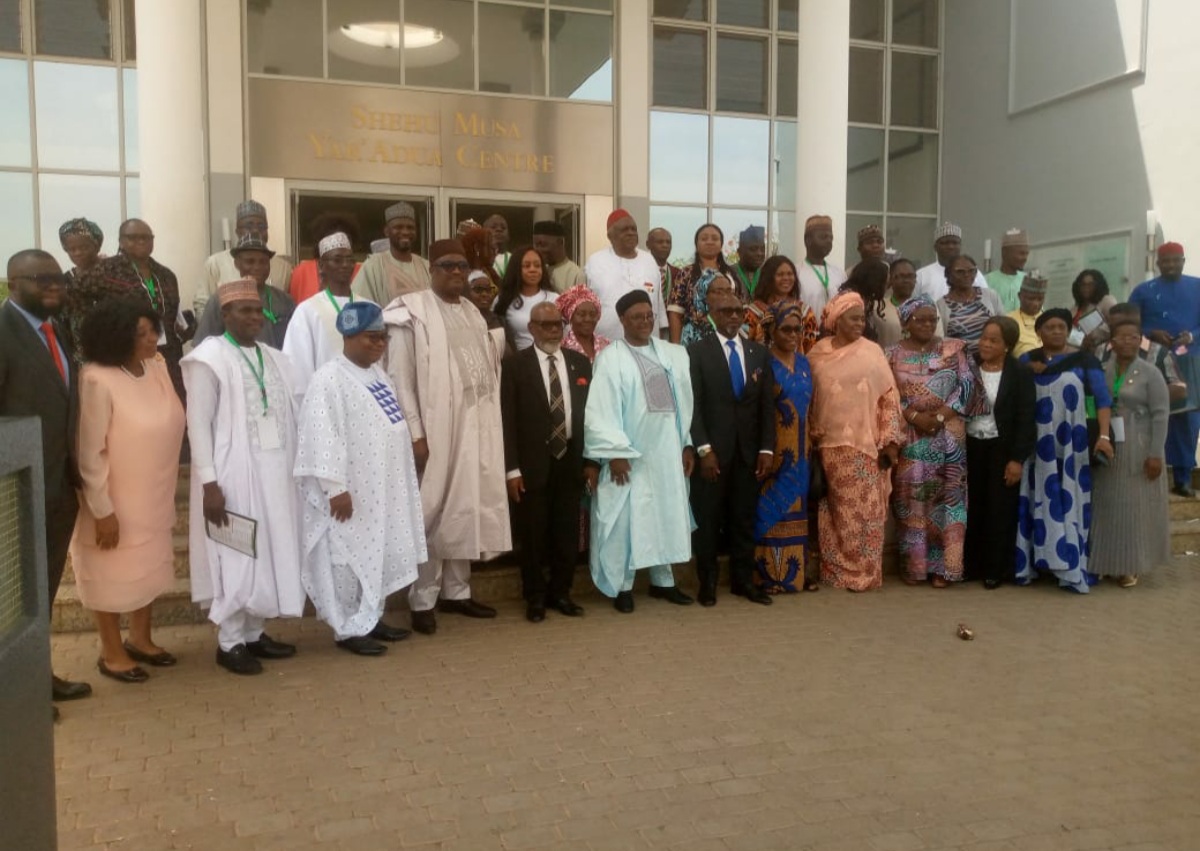
Dr Salma-Ibrahim Anas, Special Adviser to President Bola Tinubu on Health, made the call on Tuesday in Abuja at the 18th Biennial Nursing Leaders Conference.
The conference had the theme: “Nursing education, research and practice for excellent healthcare delivery in Nigeria: The position of nursing leaders.”
Anas said the future of nursing practice globally was being reshaped by digital health and AI, stressing the need for Nigeria’s nursing curricula to evolve in line with emerging realities.
She said the country must prepare its nursing workforce for tech-enabled and AI-augmented healthcare environments, while ensuring global competitiveness and responsiveness to local needs.
According to her, there is also an urgent need to prioritise retention and workforce stability in the sector.
“With over 75,000 nurses and midwives migrating abroad in recent years, we must create enabling environments, including competitive remuneration, clear career progression pathways and dignified working conditions.
“We must also strengthen primary healthcare, where nurses and midwives serve as the frontline workforce, to make staying in Nigeria a viable and attractive option,” she said.
Anas added that ongoing expansion of the Basic Health Care Provision Fund (BHCPF) and the deployment of 20,000 newly approved health workers would require strong nursing leadership to reach underserved populations.
She reiterated that the Federal Government viewed nursing and midwifery professionals as critical partners in ongoing health sector reforms.
The presidential aide also expressed support for the Nursing and Midwifery Council of Nigeria (NMCN) under its Registrar, Dr Ndagi Alhassan, especially in strengthening regulation and maintaining professional standards.
She urged nurses and midwives across the country to recognise their critical role in achieving Universal Health Coverage (UHC).
In his welcome address, the Registrar/CEO of NMCN, Alhassan, said the conference was both significant for professional engagement and strategic for shaping the future of healthcare delivery in Nigeria.
He noted that the theme reflected the council’s mandate and the collective direction required to transform the healthcare system.
Alhassan reaffirmed the council’s commitment to regulating nursing and midwifery education and practice, ensuring that only qualified, competent and ethical professionals were licensed.
According to him, the council’s mandate contributes to the attainment of the Sustainable Development Goals (SDGs), particularly through strengthening the frontline health workforce to achieve UHC.
“In fulfilling this mandate, the council continues to accredit and monitor training institutions, standardise curricula, conduct professional examinations, maintain the register of nurses and midwives, and enforce professional standards and ethics.
“Our vision is to produce a highly skilled and globally competitive nursing workforce capable of delivering safe, effective and people-centred care,” he said.
Alhassan added that the council had intensified efforts to align nursing education with global best practices, in line with the Renewed Hope Agenda of the current administration.
He listed key initiatives to include the transition to competency-based education and training, integration of simulation-based learning, and periodic curriculum reviews.
“This is to address emerging health priorities such as non-communicable diseases, mental health, gerontology and digital health”.
He also highlighted efforts to strengthen accreditation processes and bridge the gap between theory and clinical practice through closer collaboration between training institutions and healthcare facilities.
Alhassan further acknowledged the support of the Minister of Health and Social Welfare in advancing nursing education, research and practice.
In his remarks, the Minister of Health and Social Welfare, Prof. Ali Pate, commended nurses as the “lifeblood” of any health system globally.
He lauded the leadership of the nursing profession for organising the conference and emphasised the need for sustained dialogue and collaboration between government and healthcare professionals.
Pate urged nursing leaders to strengthen their leadership capacity, foster collaboration across professional groups, and promote inclusive and context-driven leadership.
“Leadership is about how we relate, collaborate and resolve challenges. Everyone matters, but effective leadership provides direction and clarity for all,” he said.
He pledged continued government support for the nursing profession.
NEWS AGENCY OF NIGERIA