By Sumaila Ogbaje
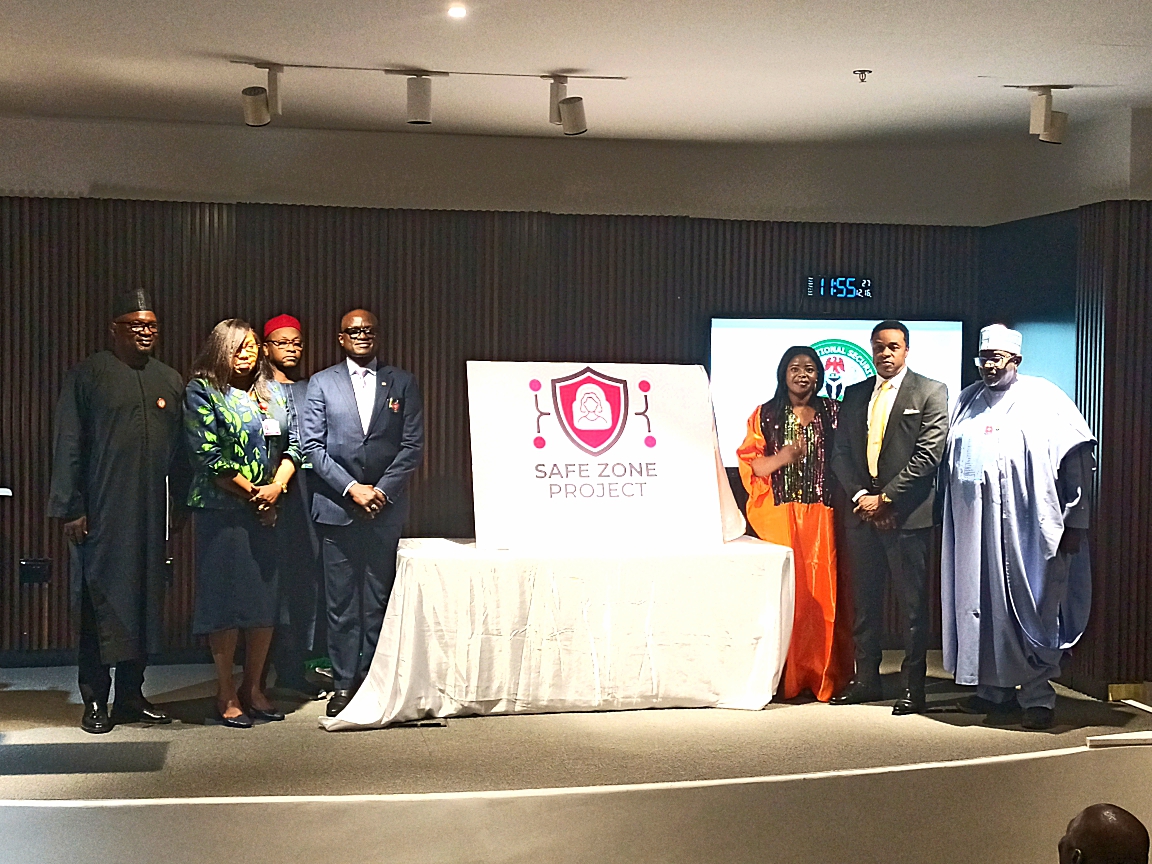
The National Counter Terrorism Centre (NCTC) Office of the National Security Adviser (ONSA), and the Connect Network Foundation, have unveiled the Safe Zone Project, a strategic initiative aimed at protecting and empowering women affected by insecurity in Nigeria.

In his remarks, the National Coordinator of NCTC, Maj.-Gen. Adamu Laka, said the initiative comes at a critical time as the country continues to grapple with terrorism, violent extremism, banditry, kidnapping, and human trafficking.
Laka emphasised that while security operations remain essential, sustainable peace requires people-centred interventions that address root causes, prevent radicalisation, and support rehabilitation and reintegration.
He said the SAFE ZONE Project specifically targets women who are disproportionately affected by insecurity, including victims of trafficking, forced recruitment, sexual violence, and economic deprivation.
According to him, the programme brings together government institutions, civil society organisations, digital innovation platforms, and international partners to provide safe pathways, livelihood support, and empowerment opportunities for affected women.
“The initiative aligns with Nigeria’s Policy Framework and National Action Plan for Preventing and Countering Violent Extremism 2017, as well as the Women, Peace, and Security agenda, reinforcing national ownership while leveraging the expertise of non-state actors,” he said.
Laka commended the Connect Network Foundation, Connect Her Network, and all partners for their dedication in bringing the project to fruition, urging stakeholders to see SAFE ZONE as a scalable model for advancing Nigeria’s broader peace and security objectives.
In her remarks, the founder of Connect Network Foundation, Amb. Ojiah Oguche, said the programme goes beyond rescue, providing counseling, vocational training, and livelihood support to ensure women regain social, financial, and mental stability.
Ogwuche said that many women face shame, stigma, and trauma after surviving conflict, adding that the project would equip them with the skills and resilience to rebuild their lives and participate meaningfully in their communities.
She noted that while the initiative primarily targets women, men who had suffered were also included in broader reintegration plans.
According to her, the project is community-driven, leveraging NCTC networks across the country, and is planned as a minimum three-year programme with potential future expansion internationally.
The Director, Preventing and Countering Violent Extremism (PCVE), at NCTC, Amb. Abimbola Wonosikou, explained that the NCTC would coordinate stakeholders and monitor the programme, ensuring affected women receive necessary support and rehabilitation.
She said the centre had been involved in the affected communities through different intervention projects, adding that the safe zone project would be a game changer.
According to her, the Safe Zone Project exemplifies Nigeria’s shift towards people-centred security interventions, addressing the root causes of extremism while empowering vulnerable populations.
The News Agency of Nigeria (NAN) reports that the project launch attracted a large number of NGOs, CSOs and representatives from several national institutions. (NAN)