
By Felicia Imohimi, News Agency of Nigeria (NAN)
The Livelihood Improvement Family Enterprises in Niger Delta (LIFE-ND) is a flagship rural transformation programme of the Federal Government.
It is implemented through the Federal Ministry of Agriculture and Food Security in collaboration with the Niger Delta Development Commission (NDDC).
Funded by the International Fund for Agricultural Development (IFAD), the project aims to create a new generation of agripreneurs by empowering youth and women with skills, finance, mentorship, and market integration across the Niger Delta states.
Its core objective is to enhance income, food security, and job creation for rural youth and women through sustainable agri-enterprise development in the nine states of Abia, Bayelsa, Cross River, Delta, Edo, Ondo, Akwa Ibom, Imo, and Rivers.
Focusing on seven priority commodities of rice, cassava, plantain, oil palm, cocoa, poultry, and fishery (aquaculture and artisanal), the programme covers the full agricultural value chain, from production to processing and marketing.
Importantly, LIFE-ND integrates gender, nutrition, and climate change considerations into all interventions.
To achieve its objectives, the project employs an innovative enterprise development model, leveraging investments from small and medium-scale enterprises to support unemployed youth, persons with disabilities, and women in high-income generating ventures.
The model is built on a traditional master-apprenticeship system, where trainees work under mentors before graduating to become independent business owners.
Currently, the project operates in 10 local government areas per state; except Bayelsa, which has eight and reaches 10 rural communities in each LGA.
Since its launch on Feb. 21, 2019, LIFE-ND has impacted 26,470 smallholder farmers, surpassing its target of 25,500 and achieving 104 per cent of its planned target by its projected completion in 2025.
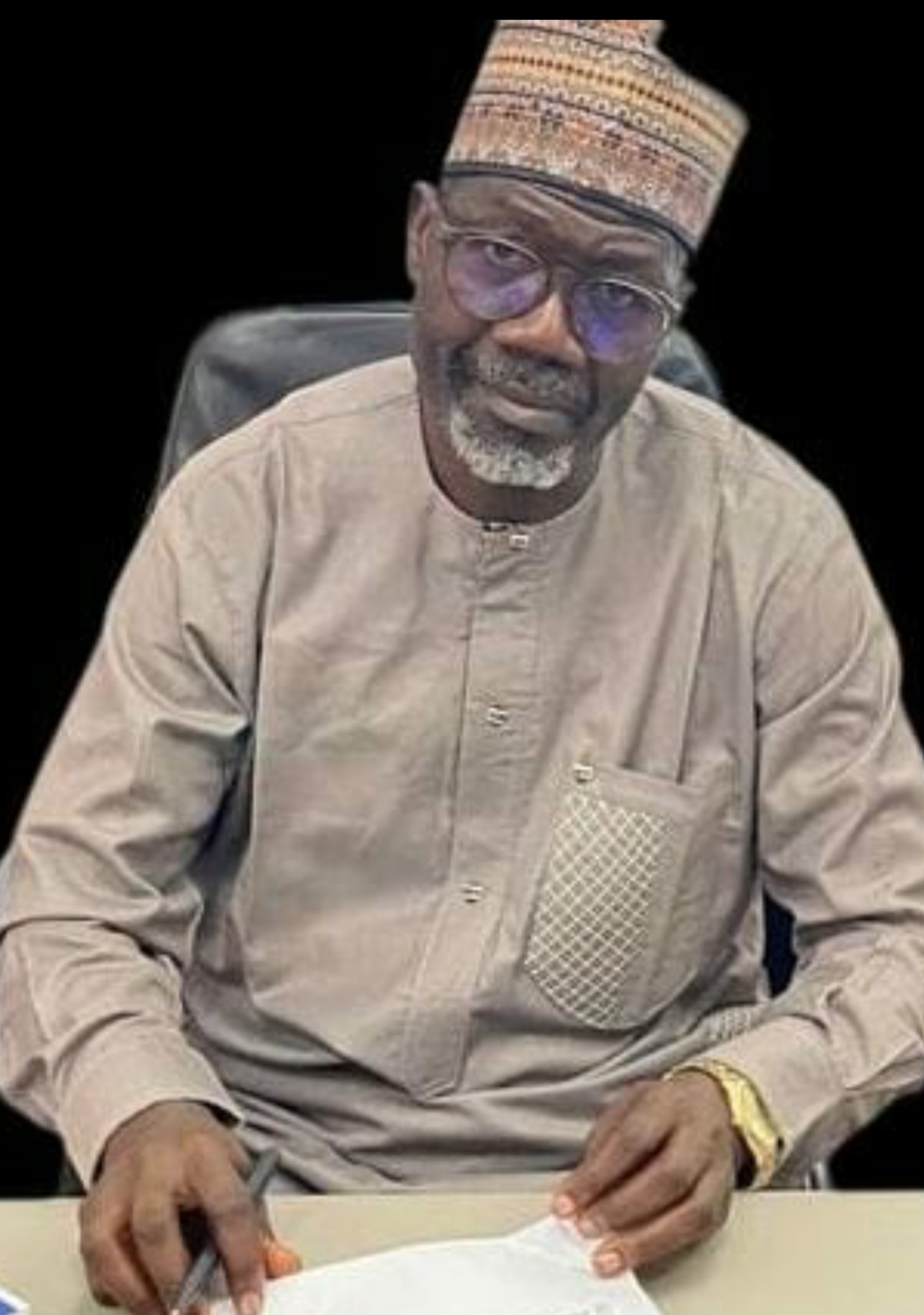
Dr Abiodun Sanni, National Project Coordinator of FG/IFAD-LIFE-ND, said the project has proven to be an effective tool for enterprise development and job creation for women and youth.
“The project directly supports Nigeria’s Green Alternative Roadmap for Agriculture and the Strategic Framework for Youth Employment and Job Creation. It also complements the NDDC master plan for regional development.
“The government’s strategies are motivated by the untapped potential of our youth and the growing restlessness of an estimated 22 million unemployed young people, especially in rural areas who need economic opportunities to improve their livelihoods, ”he said.

The impact of LIFE-ND is best illustrated through personal stories.
Eka Kenny, an 18-year-old from Ibesikpo Asutan LGA in Akwa Ibom, recounted his transformation through aquaculture.
“I had just finished school and was unsure about the future when the Federal Government/IFAD-LIFE-ND programme arrived in our community.
“I applied and was selected. With hands-on training in fish farming, I earned N1.9 million. I started with 1,000 juvenile catfish and 50 bags of feed. After the cycle, despite five mortalities, I made significant profit,” he said.
Kenny called the experience life-changing.
“For a teenager once uncertain about tomorrow, the pond has become a classroom, a workplace, and a future.
“Across Akwa Ibom’s ponds, farms, and processing centres, a quiet revolution is underway, not driven by slogans, but by skills; not sustained by promises, but by profits; and not measured only in naira, but in dignity, confidence, and hope”.
Similarly, Davis Uwen, a one-hectare cassava farmer from the same LGA, said LIFE-ND transformed him from a street hustler into a productive agripreneur.
“The training on modern cassava farming completely changed my perception of farming and life. With tools, finance, fertiliser, and technical support, I am expecting my first harvest by April. Many who did not benefit wish they had this opportunity,” he noted.
Uduak Okon, formerly a schoolteacher and security guard, lauded the project for giving him purpose.
Trained in modern poultry management, he now understands bird health, sanitation, housing design, and disease prevention.
“In just weeks, I learned skills I never knew before. Within two to three years, I will not only be self-reliant but also train others,” he said.
Johnson Abasifreke, another poultry beneficiary, recounted receiving 250 broiler birds, feed, drinkers, and feeders after completing a three-month training.
In spite initial losses due to mortality and feed costs, he now runs production cycles aligned with festive demand, supporting himself and his younger siblings.
Mr Goodnews Ediene, an incubator in Oruk-Anam LGA, explained that graduates from the training hub receive skills, financial literacy, and N333,000 seed capital, monitored for sustainability.
He noted that youth are being groomed to move beyond traditional palm oil processing into industrial-scale agribusiness.

Wilson Mbiata, a beneficiary, revealed that LIFE-ND profits helped fund her university education.
“The money paid my acceptance fee at Akwa Ibom State University, so this project is real,” she said.
Likewise, Aniekpeno Idara Jacob, formerly running a low-income POS business, now earns a steady income from palm oil and kernel by-products, supporting his family and siblings’ education.
Dr Idongesit Ekanem, a vegetable farming incubator, said the programme’s goal is simple but powerful: it moves people from subsistence to sustainability.
Beneficiaries like Nsense Ikwo attest to renewed confidence, improved incomes, and financial independence through tomato and vegetable farming.
Amos Ebiowei, Bayelsa State Project Coordinator, highlighted LIFE-ND’s role in reducing youth restiveness.
“The project curbs crime and promotes economic stability by impacting lives across the state’s eight local government areas.
“Through the incubator-incubatee model, many youths are now engaged in cassava processing, poultry, and fishery instead of societal vices,” he said.
Ms Juliet Amakoromo, Managing Director of PTADELA Farms, Yenagoa, commended the programme for transforming her fortune.
She now owns 36 earthy ponds for catfish and tilapia production, supplying over a million fingerlings to farmers nationwide.
George Wonyengifie, another beneficiary in Bayelsa, stated that after three months of training, he received N200,000, 1,000 juvenile fish, and 50 bags of feed.
Albeit a 35 per cent loss due to high feed costs, he is now financially independent and supports his mother.
Over the years, the Federal Government/IFAD-LIFE-ND has proven transformative in the Niger Delta, promoting job creation, financial independence, and social stability.
Observers say that scaling up LIFE-ND to all 36 states and the FCT could help address national security challenges linked to unemployment and youth restiveness.
They note that joblessness and unfulfilled election promises remain key drivers of insecurity and social vices in Nigeria.
Overall, expanding the programme could reduce these vices, create sustainable jobs, and restore hope for millions of rural youths. (NANFeatures)