By Sumaila Ogbaje
The National Counter-Terrorism Centre (NCTC) has declared that there is no meaningful distinction between mass kidnapping and terrorism, stressing that both are deliberate acts aimed at instilling fear, undermining state authority, and destabilising society.
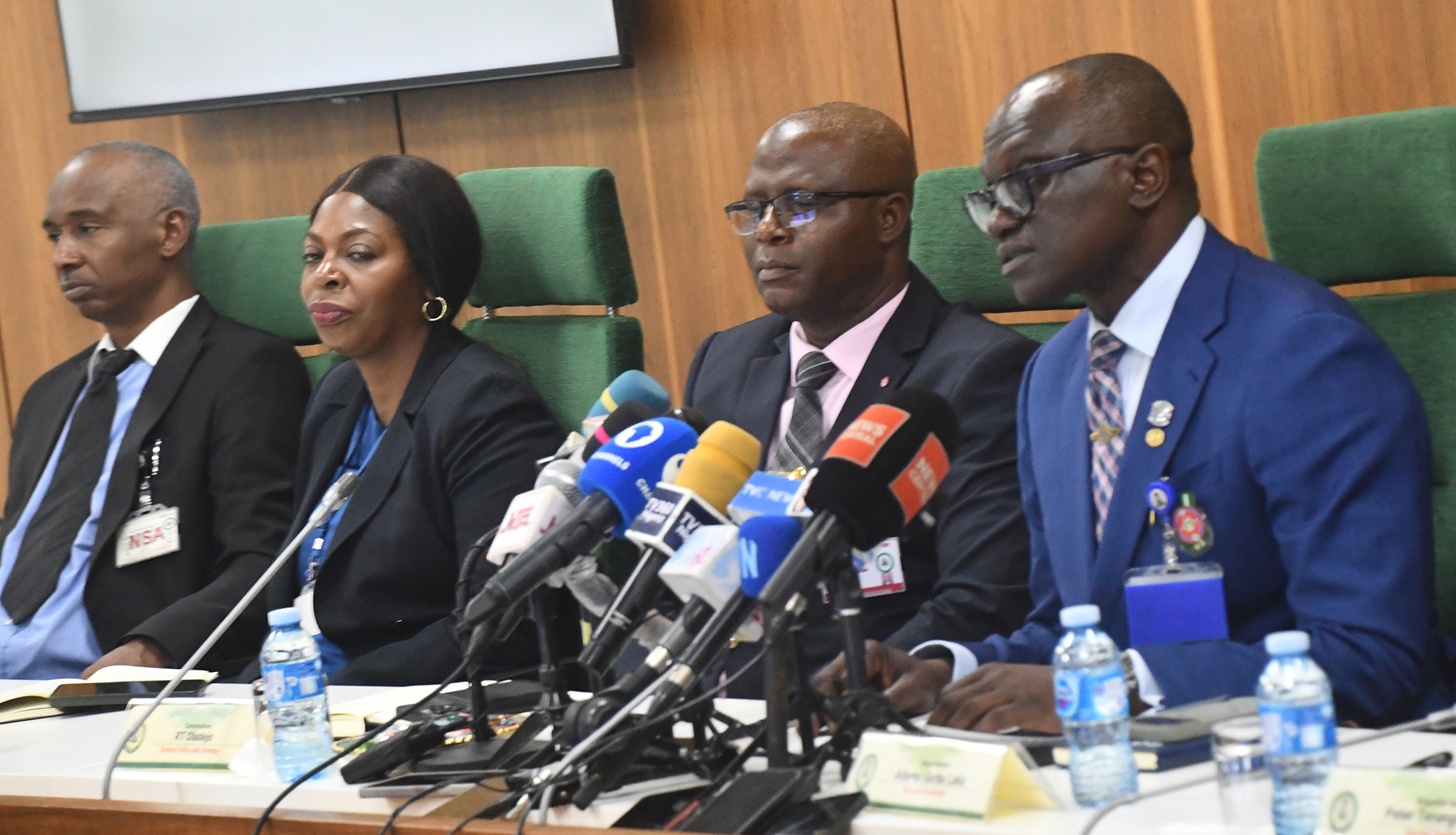
The National Coordinator of the NCTC, Maj.-Gen. Adamu Laka, stated this in Abuja during an end-of-year media parley with journalists, where he outlined the Federal Government’s evolving counter-terrorism strategy.
According to Laka, criminal gangs involved in mass kidnapping, banditry, and related violent crimes now operate in ways that mirror classical terrorist groups in both impact and intent.
“What is the objective of kidnapping hundreds of schoolchildren or attacking entire communities if not to instill terror, extract concessions, and cripple normal life?
“The effects, mass displacement, shutdown of schools and farms, psychological trauma and fear, are indistinguishable from terrorism,” he said.
Laka said that President Bola Tinubu’s formal classification of bandits, armed non-state actors, and major criminal gangs as terrorists marked a decisive shift in Nigeria’s national security policy.
He said this would allow for a more unified and forceful response under both Nigerian and international law.
Laka explained that traditional insurgent groups such as Boko Haram and the Islamic State West Africa Province (ISWAP) were ideologically driven.
According to him, bandit groups increasingly exhibit core terrorist characteristics, including territorial control, parallel taxation, organised violence, and direct challenges to the state’s monopoly on force.
He further revealed growing evidence of convergence between insurgents and bandits, including shared weapons, logistics, and tactical cooperation, which has blurred operational lines and strengthened the case for a single counter-terrorism framework.
The NCTC coordinator also urged the media to balance press freedom with national security considerations, cautioning against the premature release of sensitive operational details that could endanger lives or compromise ongoing operations.
“In this era of instant news and digital virality, responsibility is critical. National security and press freedom are not adversaries; they are complementary pillars of democracy,” he said.
Laka reaffirmed the NCTC’s commitment to sustained engagement with the media through regular briefings and structured information sharing, noting that strategic communication remained vital to countering extremist narratives and reassuring the public.
He commended the Nigerian media for professionalism and resilience, describing journalists as indispensable partners in the fight against terrorism, violent extremism, and organised crime.
He expressed optimism that stronger coordination, intelligence fusion, and responsible reporting would enhance national cohesion and help deny criminals the publicity they seek.
Laka assured Nigerians of the Federal Government’s resolve to protect lives, restore stability, and confront all forms of violent threats threatening the nation’s peace and unity. (NAN)